Axewielder: Crafting Authentic Brand Identities
There is a specific moment in every design project where the typography either whispers or shouts. If you have ever stared at a blank canvas—whether it is a startup logo, a podcast cover, or a merchandise mockup—and felt that standard system fonts were too sterile, you know the struggle. You are looking for that perfect balance between raw energy and legibility. That is exactly where Axewielder enters the conversation. It is not just another typeface; it is a design asset that brings a hand-hewn, organic texture to digital and print media, bridging the gap between rugged authenticity and modern professionalism.
The Visual Anatomy of a Modern Typeface
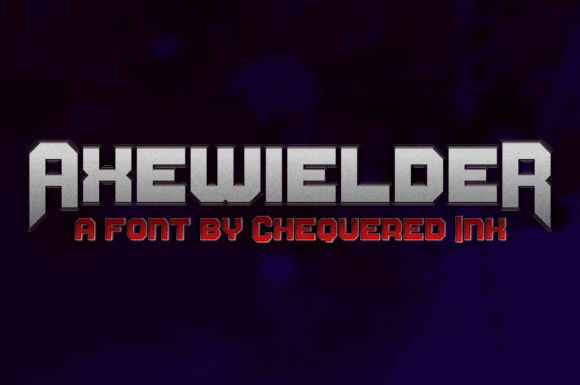
At first glance, Axewielder captures attention through its distinct personality. It sits comfortably in the realm of display font territory, characterized by textured edges and a slightly irregular baseline that mimics the look of ink on paper or wood burning. This isn't the polished, vector-perfect geometry of a standard sans serif font. Instead, it offers a tactile quality. The letterforms feel weighted and substantial, giving your headlines a sense of gravity without feeling heavy or cluttered.
What makes this premium font visually appealing is its versatility within a specific niche. It avoids the illegibility often found in overly "grungy" fonts. The kerning is carefully managed to ensure that words flow naturally, while the stylistic alternates allow for customization. If you are designing a logo, you want a typeface that stands up to scaling. Axewielder retains its character whether it is blown up on a billboard or shrunk down on a business card, provided it is used for headers or titles rather than long-form body text.
Practical Applications: From Screen to Print
The true test of any creative font is how it performs in the real world. Axewielder is built for projects that need to stand out in a crowded market. Because of its textured, hand-crafted aesthetic, it is an exceptional choice for branding projects that aim to feel personal and approachable.
Consider the current trends in packaging design. Consumers are moving away from mass-produced aesthetics and toward artisanal, small-batch vibes. Whether you are designing for a craft brewery, a hot sauce brand, or a line of organic skincare, Axewielder provides that instant "maker" feel. It suggests that a human being was involved in the creation of the product.
Beyond packaging, the font shines in the digital space. Social media graphics need to stop the scroll. A bold headline set in Axewielder on a textured background creates immediate visual interest for Instagram posts, Pinterest pins, or YouTube thumbnails. It is also highly effective for merchandise such as T-shirts and tote bags, where the typography often serves as the primary graphic element.
Here is a quick look at where this typeface fits best:
- Logo Design: Perfect for outdoor brands, gyms, record labels, and coffee roasters.
- Editorial Design: Use it for drop caps or pull quotes in magazines to break up the monotony of standard serif fonts.
- Web Design: Ideal for hero sections and landing pages where you need to convey a bold message instantly.
- Event Stationery: Great for wedding invitations with a rustic theme or music festival posters.
- Digital Products: Adds value to e-book covers, worksheet headers, and course branding.
Strategic Pairing and Readability
One of the most common mistakes designers make with display fonts is trying to use them for everything. Axewielder is a powerhouse, but it needs a partner. Because it is so expressive, it pairs best with a clean, neutral companion.
When working on web design or marketing assets, try pairing Axewielder with a geometric sans serif font for your body copy. Fonts like Montserrat, Lato, or even a simple system sans-serif provide the necessary breathing room, allowing the headers to pop without causing visual fatigue. This contrast is crucial for readability. You want the viewer to be drawn in by the headline and then easily digest the information below it.
When testing your font pairing, pay attention to weight distribution. If Axewielder is your heavy hitter, keep your body text light and airy. This creates a hierarchy that guides the eye naturally down the page, improving the user experience on websites and the flow of information in print layouts.
Building Brand Recognition and Consistency
Typography is the voice of your brand. Just as you wouldn't speak in a monotone drone to a lively audience, you shouldn't use a generic font for a brand that prides itself on character. Using Axewielder consistently across your touchpoints—from your website headers to your email signatures and invoice templates—builds a cohesive brand identity.
When a customer sees that specific "A" or "G" repeatedly, it triggers recognition. This is the essence of visual consistency. It tells your audience that you pay attention to details. For small business owners and entrepreneurs, this level of professionalism can be the differentiator between being perceived as a hobbyist versus a serious contender in the market.
Smart Usage and Commercial Considerations
Before you finalize your design, it is always wise to review the specific styles included with the family. Does the font include the ligatures and alternates you need? Does it support the language set required for your audience?
Furthermore, understanding the licensing is a non-negotiable part of professional design. If you are creating a product for resale—like a T-shirt template or a mug—you need to ensure your license covers commercial use for physical end products. Most premium font licenses distinguish between digital ads (like a website) and physical goods. Always read the End User License Agreement (EULA) to avoid legal headaches down the road.
Axewielder offers that coveted hand-crafted feel without the hassle of hand-lettering every asset yourself. It provides the speed of digital typography with the soul of analog art. Whether you are launching a new product line, refreshing a blog, or designing a poster for a local event, this typeface gives you the tools to communicate with authenticity and style. It is a reminder that in a world of algorithm-driven perfection, a little bit of rough, human texture is exactly what we need to connect.