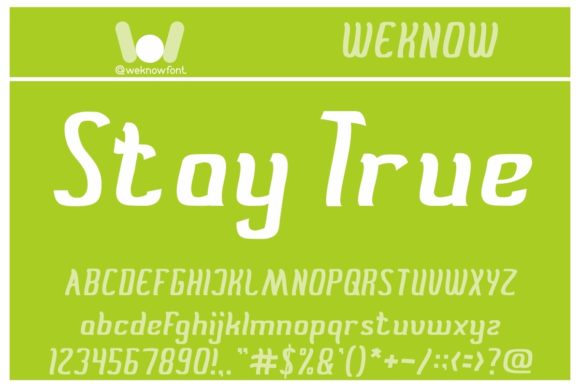
Stay True: A Font That Captures Bold, Authentic Energy
There’s a moment in every design project where you need typography that doesn’t just sit there—it speaks. You’ve tried the safe sans-serifs, the predictable serifs, the script fonts that feel a little too whimsical. What you’re searching for is something with presence, something that feels intentional and modern without trying too hard. That’s where a typeface like Stay True enters the conversation, offering a distinctive voice for projects that demand to be noticed.
This isn’t your everyday workhorse font. It’s a display typeface, meaning it’s crafted for impact rather than body text. Think of it as the headline act, the centerpiece that draws the eye in posters, logos, and large-scale branding. Its character lies in a balanced blend of contemporary shapes and subtle detailing that gives it versatility across different creative contexts.
Understanding Its Visual Character
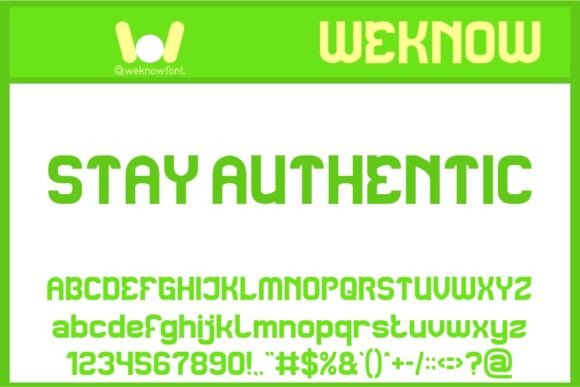
At first glance, Stay True presents a confident, structured appearance. The letterforms often feature clean lines with just enough personality to avoid feeling sterile. Depending on the specific style or weight you choose, you might notice slightly rounded terminals, geometric influences, or a touch of humanist warmth that keeps it from feeling overly mechanical. This careful design choice makes it feel both professional and approachable.
What makes it particularly useful is its ability to adapt. In a corporate setting, it can convey stability and innovation. For a music festival poster, it can feel energetic and contemporary. For a boutique brand’s packaging, it might suggest modernity with a hint of artisan quality. This chameleon-like quality stems from its foundational design principles—clarity, proportion, and a restrained flair that enhances rather than overwhelms.
Practical Applications Across Industries
Let’s talk about where this font actually works. For entrepreneurs and small business owners building a brand identity from scratch, choosing a primary display font is a critical decision. Stay True offers a strong starting point for logo design. Its distinctiveness helps create a mark that’s memorable and scalable from a tiny favicon to a large storefront sign.
Content creators and social media managers will find it invaluable for creating consistent, recognizable graphics. Imagine using it for all your YouTube thumbnails, Instagram story headers, or podcast cover art. It creates a visual thread that ties your content together, making your brand more cohesive across platforms. For bloggers, it can serve as a powerful headline font on your website, breaking up text and guiding readers’ eyes to the most important sections.
In print and editorial design, such as magazines, book covers, or event posters, its high legibility at large sizes makes it a reliable choice. It commands attention on a page crowded with information. Similarly, for packaging design, it can help a product stand out on a shelf, communicating the brand’s ethos quickly and effectively.
Enhancing Your Brand’s Visual Language
Typography is a silent ambassador for your brand. The right font does more than display words; it evokes emotion and sets expectations. Using a consistent, well-chosen typeface like this one across all touchpoints—from your website to your email newsletters to your business cards—builds a layer of professionalism and trust. It shows you’ve considered the details, which often translates to perceived quality in your product or service.
When thinking about font pairing, consider contrast. A bold, expressive display font works beautifully alongside a clean, neutral sans-serif for body text. For example, you might pair Stay True for headlines with a font like Open Sans or Lato for paragraphs. This creates a clear hierarchy, improves readability, and keeps the overall design balanced. Always test your pairings in context—see how they look on a mockup of your website or a draft of your poster before finalizing.
Making the Most of Your Design Assets
If you’re considering this typeface for a commercial project, always verify the licensing. Most premium fonts come with clear licensing options for desktop, web, and app use. Ensure the license you purchase covers all your intended applications, whether it’s for a client’s logo, merchandise you plan to sell, or digital products. Respecting font licensing is a key part of professional practice.
Take time to explore all the included styles and weights. Often, a font family will include regular, bold, and italic variations, or even alternate characters and ligatures. These extra features can give you more creative flexibility. For instance, a stylistic alternate might give your logo a unique twist, or a different weight might be perfect for a sub-headline.
Ultimately, the goal is to find tools that align with your creative vision and practical needs. A font is a tool, and a good one should feel intuitive and empowering. It should help you communicate more clearly and connect with your audience more deeply. Whether you’re designing for a corporate client, launching your own startup, or creating content for your community, the typography you choose is a fundamental piece of that puzzle. It’s worth investing the time to find the right fit—something that feels true to your project’s spirit.