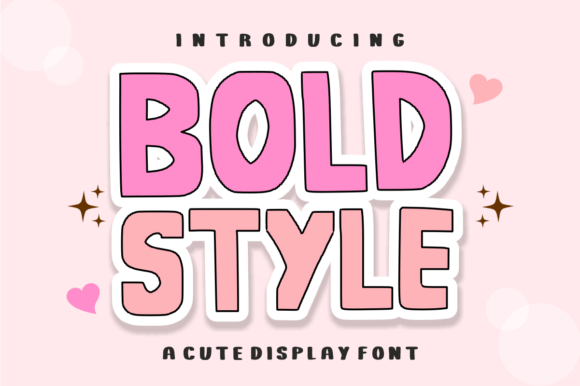
Command Attention: Why This Display Typeface Cuts Through the Noise
Imagine standing in the middle of a crowded marketplace where everyone is shouting for attention. In that chaos, one voice cuts through—not because it is the loudest, but because it is the most distinct. That is the exact challenge you face in the modern visual landscape, whether you are launching a streetwear brand, designing a thumbnail for YouTube, or creating packaging for a new energy drink. You need typography that doesn’t just sit on the page; it demands to be read. This is where the power of a heavy, geometric typeface comes into play. It is about replacing the whisper of standard text with a roar of visual confidence, ensuring your message lands with the weight it deserves.
The Anatomy of a Heavy Hitter
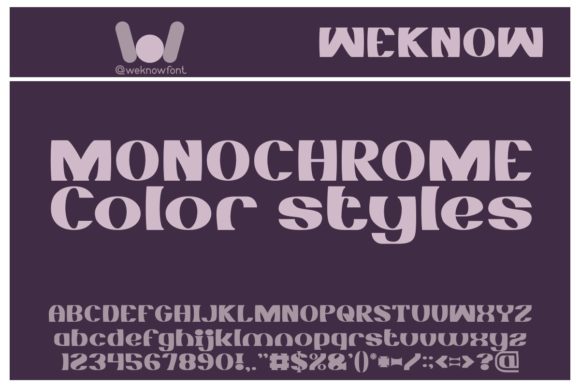
Not all fonts are created equal, and when you are working on high-impact projects, the structure of your letters matters immensely. A typeface like Bold Style isn't just "thick"; it is an architectural marvel of modern typography. It relies on solid, chunky blocks and minimal curves, creating a visual anchor that holds your design in place. Think of it as the difference between a lightweight sports car and a heavy-duty pickup truck. Both have their uses, but if you need to haul a message and make it stick, you need the weight.
This specific aesthetic—often described as a display font—is engineered for maximum visibility. The smooth edges and solid weight are not just stylistic choices; they are functional features. For those working with cutting machines like the Cricut or Silhouette, this is a game-changer. Thin, scripty fonts with delicate swashes can be a nightmare to weed and cut, often tearing or losing detail. A premium font with a robust, blocky structure ensures clean cuts every time, whether you are working with vinyl, cardstock, or heat transfer material. It bridges the gap between digital design and physical manufacturing.
Practical Applications: From the Sidewalk to the Screen
The versatility of a strong sans serif font lies in its ability to adapt to different contexts without losing its identity. It is the "little black dress" or the "white t-shirt" of the font world—it fits almost anywhere if you style it correctly.
1. Streetwear and Apparel Branding
If you are in the fashion game, specifically streetwear or athletic apparel, your typography needs to look good on a hoodie from ten feet away. Bold Style works exceptionally well here. Its geometric nature mimics the clean lines of modern athletic wear. It creates a sense of strength and durability that customers associate with quality. Use it for chest prints, sleeve designs, or large back prints.
2. Logo Design and Brand Identity
A logo needs to be recognizable at any size, from a favicon on a browser tab to a billboard. Many brands are moving away from complex illustrative logos toward wordmarks—logos made entirely of text. A typeface with this much visual weight creates an instant brand identity that feels established and authoritative. It suggests that the brand is confident and modern.
3. Social Media and Content Creation
On platforms like Instagram, TikTok, or YouTube, you have a split second to stop the scroll. Thin fonts often get lost against busy video backgrounds or competing content. Using a heavy, modern typography style for your headlines ensures your message pops. It is perfect for YouTube thumbnails where readability is king, or Instagram covers where you need to categorize your content clearly.
4. Packaging and Product Labels
Walk down any aisle in a grocery store, and you will notice that the best-selling products often use bold, condensed typography. Why? Because it stands out on the shelf. If you are designing product packaging, a font like this can help highlight the product name or key features (like "Organic" or "Extra Strength"). It communicates value and clarity instantly.
Integrating Bold Typography into Your Workflow
Simply downloading a new creative font isn't enough to fix a design; you need to know how to wield it. Using a heavy display typeface effectively requires a bit of strategy to maintain readability and visual consistency.
Pairing is Everything
You rarely want to use a massive, chunky font for your body text. It becomes exhausting to read in long paragraphs. The secret to font pairing is contrast. If you are using Bold Style for your headers, pair it with a clean, simple sans serif font for the body copy. Think of the display font as the "shout" and the body font as the "conversation." The contrast creates a hierarchy that guides the viewer's eye from the headline to the details.
Spacing and Air
Because heavy fonts take up more visual space, they can feel claustrophobic if the letters are too close together. When using a Bold Style typeface, pay attention to your tracking (letter spacing). Often, slightly increasing the space between letters can add a touch of luxury and breathability, transforming the look from "construction site" to "high-end modern architecture."
Color and Contrast
These fonts are high-contrast by nature. They work beautifully in black and white, but they can also handle bold color choices. Try using a bright neon color against a dark background for that "electric" sports vibe, or a stark black font on a pastel background for a modern, minimalist aesthetic.
Commercial Considerations for Professionals
For designers, small business owners, and agencies, the practical side of using design assets is just as important as the visual side. When you choose a font for a client project or your own merchandise, you have to look at the licensing.
A major advantage of investing in a commercial font is the peace of mind it brings. Free fonts found on the internet often come with murky licensing terms that can get you into trouble later, especially if you scale your business or sell products. A professionally designed typeface usually comes with clear licensing for both digital and physical goods. This means you can safely use it for:
- Client Work: Logos, websites, and marketing materials you design for others.
- Merchandise: T-shirts, mugs, and stickers that you sell for profit.
- Digital Products: E-books, PDF guides, and online courses.
Furthermore, a premium font often includes different styles or "weights" (like Regular, Italic, or Outline). Having these variations allows you to create editorial layouts that are cohesive but varied. You can use the outline style for a cool effect on a poster, while using the solid style for the main title, keeping the brand identity tight.
Making the Visual Leap
Design is ultimately about communication. If your audience has to squint to read your message, or if your text blends into the background, the communication has failed. Adopting a typeface with the visual weight and clean geometry of Bold Style is a strategic move toward clearer, more impactful messaging.
It is about understanding that in a world of fleeting glances and short attention spans, your typography needs to work harder than ever. Whether you are crafting a modern poster, finalizing product packaging, or setting up a new web design, choosing a font that prioritizes visibility and strength is one of the smartest decisions you can make. It ensures that when people see your work, they don't just look at it—they remember it.