Graffitis: The Bold Display Font That Brings Joy to Your Designs
You know that feeling when you see a typeface that just makes you smile? That's the reaction Graffitis tends to get. It's a premium font that doesn't take itself too seriously, with chunky letterforms and playful curves that radiate pure, cheerful energy. If you're working on a project that needs to feel fun, vibrant, and full of life, this is the kind of typeface that can set the entire mood before anyone even reads a single word. Think of it as the typographic equivalent of a burst of confetti.
More Than Just Fun Letters: Understanding Its Visual Character
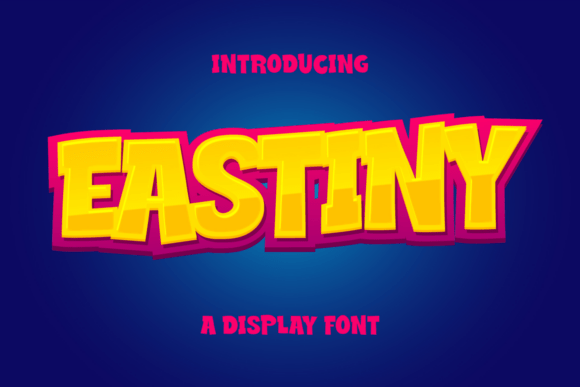
At its core, Graffitis is a display font, meaning it's designed for headlines, titles, and short bursts of impactful text rather than long paragraphs of body copy. Its personality comes from specific details: the letters have a satisfying, weighty presence that feels substantial, while quirky geometric cuts and slightly irregular edges give it a hand-crafted, approachable vibe. The gradient styling often seen in its previews isn't just for show—it highlights how the font's shapes interact with color and light, making it a fantastic candidate for digital designs where you can play with opacity, overlays, and vibrant palettes. It's a modern typography piece that feels both contemporary and warmly nostalgic.
While it sits in its own category, you can think of its energy as being somewhere between a playful sans serif font and a bold, graphic script font, but without the formality of either. It avoids the stiffness of some serif fonts and the casualness of many handwritten fonts, landing squarely in a zone that's joyful and confident. This makes it incredibly versatile for projects where you need to inject personality without sacrificing clarity at larger sizes.
Where Graffitis Truly Shines: Practical Applications
The real test of any creative font is how it performs in the wild. Graffitis isn't just a pretty face; it's a workhorse for specific kinds of projects where its personality is an asset, not a distraction.
For Branding & Logo Design: Imagine a children's party planning service, a colorful bakery specializing in cupcakes, or a family-friendly entertainment app. Using Graffitis in the logo or as the primary brand typeface immediately communicates approachability, fun, and creativity. It helps build brand recognition because the font itself is memorable. Paired with a simpler, clean sans serif font for body text, you create a visual hierarchy that's both engaging and easy to read.
In Packaging & Posters: On a shelf or a poster, you have seconds to grab attention. Graffitis' bold, chunky letterforms are perfect for product names on toy packaging, snack foods for kids, or event posters for a local fair. Its energy is contagious, making the viewer feel the excitement of the product or event before they know the details. It's a fantastic tool for packaging design that needs to pop.
Across Digital & Social Media: In the fast-scrolling world of social media graphics, standing out is everything. Graffitis is ideal for eye-catching YouTube thumbnails, Instagram story headers, or Facebook ad graphics. Its vibrant feel works beautifully with the dynamic nature of digital content. For a blog focused on crafts, DIY, or family activities, using this font for section headers or featured image titles can inject a dose of personality that keeps readers engaged and reinforces your site's unique voice.
For Merchandise & Invitations: Think about t-shirts, mugs, or stickers with fun phrases. Graffitis gives those products a custom, boutique feel. Similarly, for birthday party invitations, baby shower announcements, or save-the-date cards for a casual wedding, it sets a joyful, celebratory tone from the moment the envelope is opened. It's a design asset that translates well from screen to print.
Making It Work for Your Project: Smart Typography Choices
Choosing the right font style is about more than just liking how it looks in isolation. It's about matching typography to your project's goals and audience. Graffitis is a specialist. It's the life of the party, but it's not the best choice for the fine print on a legal contract. Here's how to use it effectively.
Prioritize Readability: Always consider context. Graffitis is highly legible at large sizes, which is perfect for a poster headline or a website banner. For longer text, like the description on a product page or body copy in a brochure, pair it with a neutral, highly readable serif or sans serif font. This contrast ensures your design is both eye-catching and functional. A good font pairing might be Graffitis for headings and a font like Lato or Open Sans for the supporting text.
Test Your Pairings: Before committing, see how Graffitis interacts with other fonts in your design system. Does it clash with your chosen body font? Does it overwhelm a subtle, elegant secondary typeface? Mock up a full page or a social media grid to see the overall balance. The goal is harmony, where the display font adds energy without causing visual chaos.
Review the Font Styles: A quality premium font often comes with more than one weight or style. Check if Graffitis includes options like bold, outline, or regular variations. These can give you flexibility within a single design—for example, using an outline version for a background texture and a filled version for the main text, all while maintaining visual consistency.
Thinking Long-Term: Licensing and Brand Identity
If you're using Graffitis for a commercial project—like a client's logo, merchandise you plan to sell, or marketing materials for your business—understanding the commercial license is crucial. Most premium fonts require a specific license for commercial use. This isn't just a legal formality; it's about respecting the work of the type designer and ensuring you have the right to use the font in your final, public-facing assets. Always review the license terms that come with your font purchase.
Building a strong brand identity is about consistency. If Graffitis becomes a core part of your visual language, use it consistently across all touchpoints—your website, your social media headers, your business cards, your email newsletters. This repetition builds recognition. Your audience will start to associate that joyful, bold typography with your brand's personality. It becomes a shortcut to the feeling you want to evoke.
Ultimately, a typeface like Graffitis is a tool for connection. It doesn't just display words; it conveys an emotion. For designers, marketers, and creative entrepreneurs, having a font in your toolkit that can instantly communicate happiness, energy, and approachability is incredibly valuable. It allows you to craft visual stories that resonate on an emotional level, turning a simple headline into a memorable invitation to engage. When a project calls for a dose of unbridled joy, this is the font that answers the call.