Hune: The Bold Sci-Fi Font for Futuristic Design
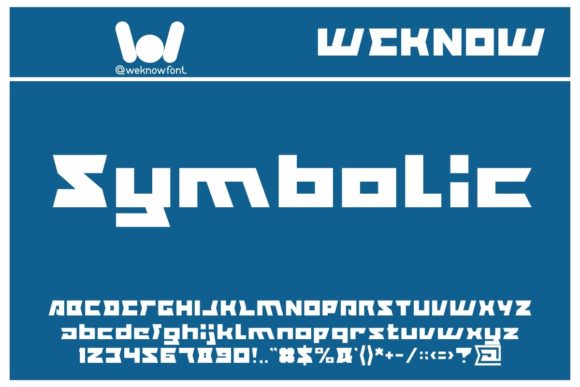
You know that feeling when you're designing something meant to feel cutting-edge, and the typography just... doesn't land? Maybe it's too soft, too traditional, or too generic. That's exactly the problem Hune was built to solve. This isn't your typical sans serif font with a few geometric tweaks. Hune is a deliberately bold, blocky typeface engineered for projects that need to communicate power, technology, and forward momentum from the very first glance.
What sets Hune apart immediately is its visual DNA. Every letterform features sharp angles and square proportions, giving it an unmistakably industrial and cyberpunk aesthetic. But here's where it gets interesting for designers: Hune doesn't just offer a single style. Each letter comes with unique alternate characters, plus distinct uppercase and lowercase forms that are intentionally different from each other. That means you're not just getting a font—you're getting a toolkit of visual options that can dramatically shift the tone of your work depending on how you combine them.
Where Bold Typography Meets Real-World Projects
Think about the last time a game title, tech startup logo, or sci-fi movie poster genuinely caught your attention. Chances are, the typography played a massive role. Hune taps into that same energy, making it a strong candidate for a surprisingly wide range of creative and commercial applications.
For branding and logo design, Hune's sharp, geometric letterforms create an immediate sense of authority and innovation. A robotics company, a cybersecurity firm, or even a fitness brand with a futuristic angle could use Hune as their primary typeface and instantly communicate a modern, high-tech identity. The alternate characters are particularly useful here—swapping in a different letter shape can make a logo feel completely unique without straying from the font's cohesive visual language.
If you're working on packaging design, especially for tech products, gaming accessories, or energy drinks, Hune brings that bold, eye-catching presence that helps products stand out on crowded shelves. Its blocky structure holds up well at various sizes, which matters when you're dealing with both large display text on a box and smaller information on a label.
Social media graphics are another natural fit. Instagram stories, YouTube thumbnails, and Twitter headers all demand fonts that grab attention in a split second. Hune's strong visual weight and distinctive character make it effective even when someone's scrolling quickly through a feed. Pair it with bold color palettes—think electric blues, neon greens, or stark black and white—and you've got graphics that stop the scroll.
Practical Tips for Working with a Display Font Like Hune
Here's something worth keeping in mind: Hune is a display font, which means it's designed to make a statement at larger sizes. That's its strength, but it also means you need to think carefully about context.
Font pairing is essential. You wouldn't set an entire blog post in a blocky sci-fi typeface—it would be exhausting to read. Instead, use Hune for headlines, titles, subheadings, and call-to-action text. Then pair it with a clean, readable sans serif font for body copy. Something like a neutral grotesque or a humanist sans serif works well because it provides visual breathing room without competing for attention. The contrast actually makes Hune's personality pop even more.
Test readability at different sizes. Hune's sharp angles and geometric forms look fantastic at display sizes, but zoom out and check how it performs in smaller applications. For things like website navigation bars or button text, you might find that using the alternate lowercase forms—some of which have slightly different proportions—gives you better legibility at reduced sizes.
Explore the alternate characters deliberately. With unique forms for uppercase, lowercase, and alternates, Hune gives you more creative flexibility than most fonts in its category. Don't just stick with the defaults. Mix and match to see how different combinations affect the overall feel of your design. A logo using mostly uppercase with one strategically swapped alternate can create a focal point that draws the eye exactly where you want it.
Beyond Screens: Print, Merchandise, and Editorial Design
Hune isn't limited to digital work. Its bold construction translates effectively to print materials like posters, event flyers, and magazine covers. Space-themed event posters, tech conference materials, and editorial layouts covering innovation or gaming culture are all contexts where this typeface feels right at home.
For merchandise—think t-shirts, hoodies, stickers, or phone cases—Hune's blocky, impactful letterforms reproduce well across different printing methods. Screen printing, embroidery, and digital printing all benefit from fonts with clean edges and strong silhouettes, which is exactly what this typeface delivers.
Invitations and digital products might seem like an unusual pairing, but consider the context. A gaming tournament invite, a tech product launch announcement, or a digital course about coding or design? Hune sets the right tone immediately. It tells your audience something about the experience before they've read a single word of content.
Building Brand Recognition with Intentional Typography
One of the most overlooked aspects of branding is typographic consistency. The fonts you choose become part of your visual identity—they carry emotional weight and set expectations. When someone sees Hune used consistently across a brand's website headers, social posts, packaging, and marketing materials, they start to associate that bold, futuristic aesthetic with the brand itself.
That's the real power of choosing the right typeface. It's not just about looking cool in one design. It's about building a visual language that people recognize and remember. Hune's distinctive character makes this easier because it doesn't blend into the background. It has a strong point of view, which is exactly what you want when you're trying to carve out a recognizable brand identity in a competitive market.
Before committing to any font for a brand project, do a quick test. Set your company name, a tagline, and a sample paragraph in the typeface. Look at it on different screens, in print if possible, and at various sizes. Ask yourself whether it reflects the personality you want your brand to project. With Hune, the answer is straightforward if your brand lives in the tech, gaming, automotive, fitness, or innovation space. If it doesn't quite fit, that's useful information too—it helps you narrow down what you're actually looking for in a typeface.
Whatever your project—whether it's a complete brand overhaul, a one-off poster design, or a set of social media templates—choosing typography with intention makes a measurable difference. Hune offers a specific visual voice that's hard to replicate with more conventional fonts, and that specificity is precisely what makes it a valuable addition to a designer's toolkit.