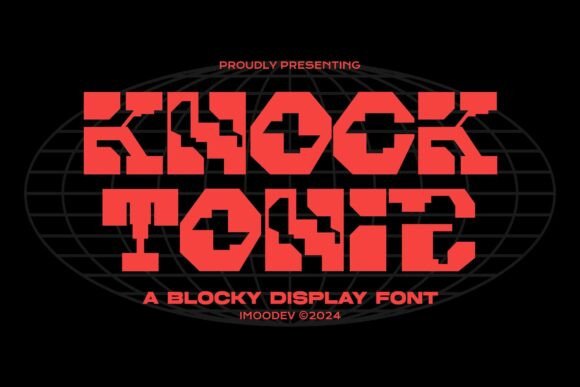
Knock Tonic: A Bold Typeface for Future-Focused Projects
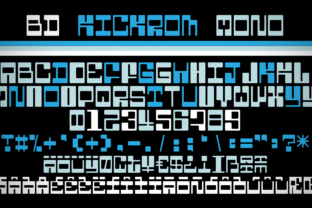
Imagine a typeface that doesn't just sit quietly on the page but announces itself with the confident hum of a spacecraft's engine. That's the immediate impression Knock Tonic makes. It's a blocky, futuristic display font built for moments when you need your design to feel sharp, innovative, and unmistakably modern. Each character carries a subtle accent, a small design detail that adds a layer of sophistication without compromising its bold, geometric structure. This isn't a font for whispering; it's for making a statement.
The Visual DNA of a Futuristic Font
What makes Knock Tonic so visually compelling? At its core, it's a study in controlled energy. The letterforms are constructed with clean, straight lines and sharp angles, giving it a technical, engineered feel. Yet, those deliberate little accents on certain characters—perhaps a slice taken from a corner or a geometric flourish—inject personality. It avoids feeling cold or sterile, instead radiating a sense of advanced technology and sleek design. Think of the interface graphics in a sci-fi film, the logo on a cutting-edge electric vehicle, or the branding for a cybersecurity startup. That's the territory Knock Tonic owns.
This typeface thrives in specific aesthetic realms. It's a natural fit for:
- Synthwave and Vaporwave: Its retro-futuristic vibe pairs perfectly with neon grids and sunset gradients.
- Brutalism and Techwear: The raw, blocky forms complement the utilitarian, industrial aesthetic.
- Gaming and Esports: From team logos to tournament posters, it conveys competition and high-tech performance.
- Digital Product Design: It can give a UI element or a software brand an immediate sense of innovation.
Practical Applications: Where Knock Tonic Shines
Knowing a font looks cool is one thing. Understanding where to use it effectively is what separates a good design from a great one. Knock Tonic is a display font, meaning it's crafted for headlines, titles, and short bursts of impactful text. Using it for a full paragraph of body copy would sacrifice readability. Its strength lies in grabbing attention.
For logo design and brand identity, Knock Tonic can be the cornerstone. A startup in the renewable energy sector, a gaming accessories brand, or a music producer specializing in electronic genres could build an entire visual identity around its distinctive character. It instantly communicates a forward-thinking, innovative mindset. When paired with a clean sans serif font for body text, the combination creates a professional yet dynamic font pairing.
Its applications extend far beyond branding. Consider using it for:
- Packaging Design: On a box for high-end headphones, a energy drink, or a tech gadget, it elevates the perceived value and aligns with the product's modern features.
- Social Media Graphics: A bold title on an Instagram story or a YouTube thumbnail using Knock Tonic can stop the scroll. It's perfect for promoting a tech launch, a music event, or a gaming stream.
- Web Design: As a hero section headline, it can set the tone for an entire website, particularly for portfolios, SaaS products, or creative agencies.
- Posters and Merchandise: For event posters, album art, or apparel like t-shirts and caps, it provides a strong, recognizable graphic element that resonates with specific subcultures.
Integrating Knock Tonic Into Your Workflow
So, you've decided Knock Tonic fits your project's vibe. How do you implement it successfully? Start by reviewing all the included font styles. Often, a premium font like this comes with multiple weights or stylistic alternates. Does it have a condensed version? An outline? Knowing your full toolkit allows for more creative and versatile layouts.
Next, focus on readability considerations. While it's designed to be clear at larger sizes, always test it in context. How does it look on a dark background versus a light one? At what size does the accent detail become a distraction rather than an enhancement? Run a quick print test for physical materials to ensure the sharp edges reproduce well.
A crucial step is matching typography to your project goals. Ask yourself: What emotion should this evoke? Knock Tonic is confident and tech-oriented. It might not be the right choice for a children's book or a traditional law firm's website. But for a tech startup's pitch deck, a gaming convention's signage, or a brutalist design portfolio, it's spot-on. Always test font pairings rigorously. Pair it with a geometric sans serif for a cohesive tech look, or try it with a simple serif font for an interesting contrast between future and tradition.
Finally, don't overlook the practicalities of commercial licensing. If you're using it for client work, merchandise for sale, or a commercial product, ensure your license covers that use. Reputable design assets providers make this clear. Investing in the proper license is not just legal compliance; it's supporting the creators who craft the tools that make our work stand out.
In the end, a typeface like Knock Tonic is more than just a collection of letters. It's a tool for visual communication. It helps build brand recognition through a unique and consistent visual language. It enhances professional presentation by signaling that a brand is current and detail-oriented. And it drives audience engagement by creating an immediate, visceral connection with viewers who identify with its futuristic aesthetic. When your project needs to look ahead, this is a font that knows the way.