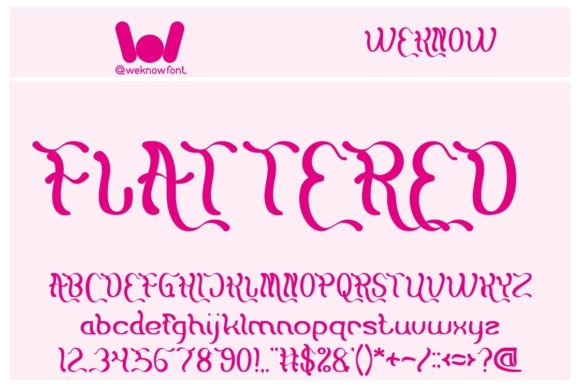
Flattered Font: A Modern Typeface for Creative Projects
You know the feeling when a piece of text just clicks—when the letters themselves seem to carry personality and intent before you even process the words? That's the kind of instant connection a well-crafted typeface creates. Flattered is a fancy various themes font designed for exactly that kind of impact, built to serve as a visual anchor across logos, headlines, brand identities, and a wide spectrum of creative design projects. Whether you're crafting a poster for an indie film, designing a logo for a boutique apparel brand, or laying out a magazine spread, this typeface brings a distinctive character that's hard to ignore.
A Typeface with Range and Personality
What sets Flattered apart from hundreds of other display fonts on the market is its versatility. It doesn't lock you into a single mood. Instead, it offers various stylistic themes—think elegant serifs, clean sans serifs, flowing scripts, and expressive handwritten options—all under one cohesive family. That range means you can use Flattered for a corporate identity that needs to feel polished and authoritative, then pivot to a playful cartoon title or a bold YouTube thumbnail without switching typefaces entirely.
The visual appeal lies in the details. Letterforms are carefully balanced, with enough flair to feel premium without tipping into illegibility. Strokes have personality—sometimes delicate, sometimes confident—and the overall rhythm of the text feels intentional. For designers who care about how typography communicates on a gut level, Flattered reads as modern, approachable, and quietly sophisticated.
Where Flattered Really Shines
Let's talk about real-world applications, because a font is only as good as how you actually use it.
Logo and logotype design is one of the most natural fits. A logo needs to be memorable at a glance, and Flattered's distinctive letter shapes give you that immediate recognition factor. Imagine a fashion brand using one of the elegant serif styles for a wordmark, or a music producer choosing a bold, condensed variant for an album cover. The font adapts to the story you're telling.
Brand identity systems benefit enormously from a font family with built-in variety. When you're developing a brand guide—selecting typefaces for headings, subheadings, body text, and accents—having multiple styles within one family simplifies the process. You get visual consistency without monotony. A small business owner building their first brand kit can use Flattered's different weights and styles to create hierarchy and contrast while keeping everything feeling unified.
Packaging design is another area where this typeface excels. Product labels, box designs, and wrapping all need typography that communicates quality and catches the eye on a crowded shelf. Flattered's premium font qualities—refined kerning, thoughtful alternates, and stylistic sets—give packaging that polished, professional presentation consumers instinctively trust.
Social media is relentless. You need graphics that stop the scroll, and typography plays a huge role in that. Social media graphics for Instagram posts, YouTube channel art, and promotional banners all benefit from a typeface that's bold enough to read on a small screen yet stylish enough to feel on-brand. Flattered works beautifully here, especially for content creators who want a signature look that audiences start to associate with their channel or feed.
For editorial layouts—magazines, books, comics, and digital publications—the font handles headlines and pull quotes with ease. A magazine editor looking for a typeface that feels contemporary without being trendy will find Flattered strikes that balance well. It's expressive enough for a feature story headline but controlled enough to not overwhelm the page.
Matching Typography to Your Project Goals
Choosing the right font style from within the Flattered family comes down to understanding what your project needs to communicate. Here's a practical framework:
- Formal and authoritative: Lean into the serif or sans serif styles. These work well for corporate presentations, business cards, and professional websites where credibility matters.
- Creative and expressive: The script and handwritten options bring warmth and personality. Use these for invitations, artisan product labels, blog headers, or music-related projects.
- Bold and attention-grabbing: The display-heavy styles are built for posters, movie titles, game interfaces, and merchandise. They command attention at large sizes.
One mistake I see constantly is designers picking a font based on how it looks in isolation. Don't do that. Test Flattered in context. Drop it into your actual layout. See how it interacts with your imagery, your color palette, your whitespace. Typography doesn't exist in a vacuum—it's part of a visual conversation with every other element on the page or screen.
Font Pairing and Readability Considerations
No typeface should work alone. Even the most versatile font benefits from a thoughtful pairing. If you're using one of Flattered's more decorative styles for headlines, consider pairing it with a clean, neutral sans serif for body text. The contrast creates visual interest while keeping longer passages easy to read.
Readability deserves serious attention, especially for web design and digital products. A beautiful script font might look stunning in a hero banner, but if someone's trying to read your about page on a phone at arm's length, clarity wins every time. Use Flattered's bolder, simpler styles for anything that needs to be read quickly and at smaller sizes. Reserve the more ornamental options for display purposes—headlines, logos, and short bursts of text where impact matters more than scanning speed.
Test your font pairings at multiple sizes and on different devices. What looks balanced on a 27-inch monitor might feel cramped on a tablet. Print a sample if you're working on physical materials. These small checks save you from embarrassing legibility issues down the road.
Licensing and Practical Next Steps
Before you commit Flattered to a commercial project, understand the licensing. Most premium fonts come with specific terms—desktop licenses for print work, webfont licenses for online use, and sometimes separate licenses for app embedding or merchandise. Read the details. If you're a freelancer working on client projects, make sure the license covers commercial use, not just personal work. This isn't just about legal compliance; it's about respecting the work of the type designer who crafted every curve and counter in the typeface.
Explore the full range of included styles when you download. Many designers grab one weight and never look at the rest of the family. That's a missed opportunity. Flattered's various themes are designed to work together, and experimenting with combinations often reveals unexpected pairings that elevate a project from good to memorable.
Whether you're building a brand from scratch, refreshing a tired visual identity, or just looking for a creative font that brings something fresh to your design assets, Flattered offers the kind of thoughtful, modern typography that adapts to your vision rather than forcing you to adapt to it. That flexibility—combined with genuine visual quality—is what makes a typeface worth building around.